Introduction
Food security is becoming an increasingly important issue for communities around the world. Climate change, population growth, economic uncertainty and disruptions to global supply chains have highlighted the need for more resilient and locally driven food systems.
One approach that is gaining attention is community agriculture.
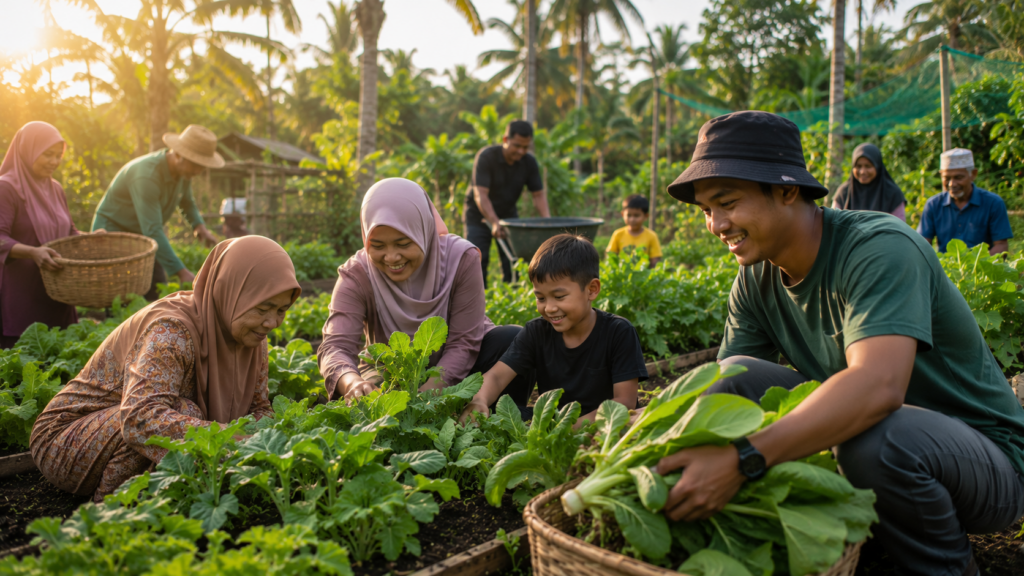
Community agriculture refers to food production activities that involve local residents, organisations, schools and community groups working together to grow food and strengthen local food systems. These initiatives can take many forms, including community gardens, urban farms, school gardens and neighbourhood farming projects.
Beyond producing food, community agriculture helps build stronger communities, encourages environmental stewardship and improves access to fresh and nutritious produce.
As communities seek sustainable solutions to food security challenges, community agriculture is proving to be an effective and practical approach.
Understanding Food Security
Food security exists when people have reliable access to sufficient, safe and nutritious food that supports healthy and active lives.
Food security includes four key components:
Availability
Enough food is produced and supplied.
Access
People can obtain food physically and economically.
Utilisation
Food supports proper nutrition and health.
Stability
Food remains consistently available over time.
Community agriculture contributes positively to all four components.
What Is Community Agriculture?
Community agriculture involves collective efforts to grow food for local benefit.
Examples include:
- Community gardens
- School gardens
- Urban farming projects
- Neighbourhood food gardens
- Cooperative farming initiatives
These projects encourage participation from residents, volunteers, students and local organisations.
The goal is not only food production but also education, community engagement and environmental sustainability.
Increasing Local Food Production
One of the most direct benefits of community agriculture is increased local food production.
Community gardens and urban farms can produce:
- Vegetables
- Fruits
- Herbs
- Traditional crops
Local production helps reduce dependence on external food sources and strengthens community resilience during periods of disruption.
Although community agriculture may not replace commercial farming, it can make meaningful contributions to local food availability.
Improving Access To Fresh Food
Many communities face challenges related to accessing affordable and nutritious food.
Community agriculture helps address this issue by:
- Providing fresh produce close to home
- Reducing transportation requirements
- Supporting local food distribution
- Encouraging healthy eating habits
Residents often gain direct access to freshly harvested food while learning more about nutrition and food systems.
Building Community Resilience
Resilience refers to the ability of communities to adapt and recover from challenges.
Community agriculture strengthens resilience by:
- Diversifying food sources
- Increasing local self-reliance
- Encouraging collaboration
- Developing practical skills
When communities have local food production capacity, they are often better prepared to respond to emergencies and supply disruptions.
Encouraging Community Participation
Community agriculture creates opportunities for people to work together toward shared goals.
Participants may include:
- Families
- Youth groups
- Schools
- NGOs
- Local businesses
- Community volunteers
These collaborative efforts strengthen social relationships and foster a sense of belonging.
Strong social networks contribute significantly to community well-being and resilience.
Supporting Environmental Sustainability
Community agriculture often incorporates sustainable practices such as:
- Composting
- Water conservation
- Organic growing methods
- Biodiversity enhancement
These practices help protect natural resources while promoting environmental awareness.
Participants gain hands-on experience with sustainable food production and responsible resource management.
Educational Benefits
Community agriculture provides valuable learning opportunities for people of all ages.
Educational topics may include:
- Food production
- Soil health
- Composting
- Nutrition
- Sustainable agriculture
- Environmental stewardship
School gardens and community projects serve as practical outdoor classrooms where participants learn through experience.
These educational benefits help build agricultural knowledge and environmental literacy.
Empowering Youth
Young people are essential to the future of agriculture and food security.
Community agriculture engages youth through:
- Hands-on learning
- Leadership opportunities
- Environmental education
- Practical life skills
Participation helps young people develop a stronger understanding of food systems and sustainability.
These experiences may also inspire future careers in agriculture, environmental science and community development.
Community Agriculture In Malaysia
Across Malaysia, community agriculture initiatives continue to grow.
Examples include:
- Urban community gardens
- School agriculture programmes
- Community composting projects
- Sustainable farming workshops
- Agroecology demonstration sites
Organisations such as the Malaysian Institute of Sustainable Agriculture (MISA) support these initiatives through training, education and community engagement activities.
These programmes demonstrate how local food production can contribute to stronger and more sustainable communities.
Challenges And Opportunities
While community agriculture offers many benefits, projects may face challenges such as:
- Limited land availability
- Funding requirements
- Volunteer engagement
- Long-term maintenance
However, strong partnerships and community support can help overcome these obstacles.
Growing public interest in sustainability and food security creates significant opportunities for future expansion.
The Future Of Community Agriculture
As food security becomes an increasingly important global issue, community agriculture is likely to play a larger role in local food systems.
Future opportunities include:
- Expansion of urban agriculture
- Increased school participation
- Greater community engagement
- Stronger local food networks
- Enhanced sustainability education
These developments can contribute to more resilient and food-secure communities.
Conclusion
Community agriculture is much more than growing food. It strengthens local food security, builds community resilience, supports environmental sustainability and provides valuable educational opportunities.
By bringing people together around shared goals, community agriculture helps create stronger, healthier and more connected communities.
As societies continue to face food security and environmental challenges, community agriculture offers a practical and inspiring pathway toward a more sustainable future.
