Introduction
Food security is one of the most pressing global challenges of the twenty-first century. As populations continue to grow and environmental pressures intensify, ensuring access to sufficient, safe and nutritious food for all people has become increasingly complex.
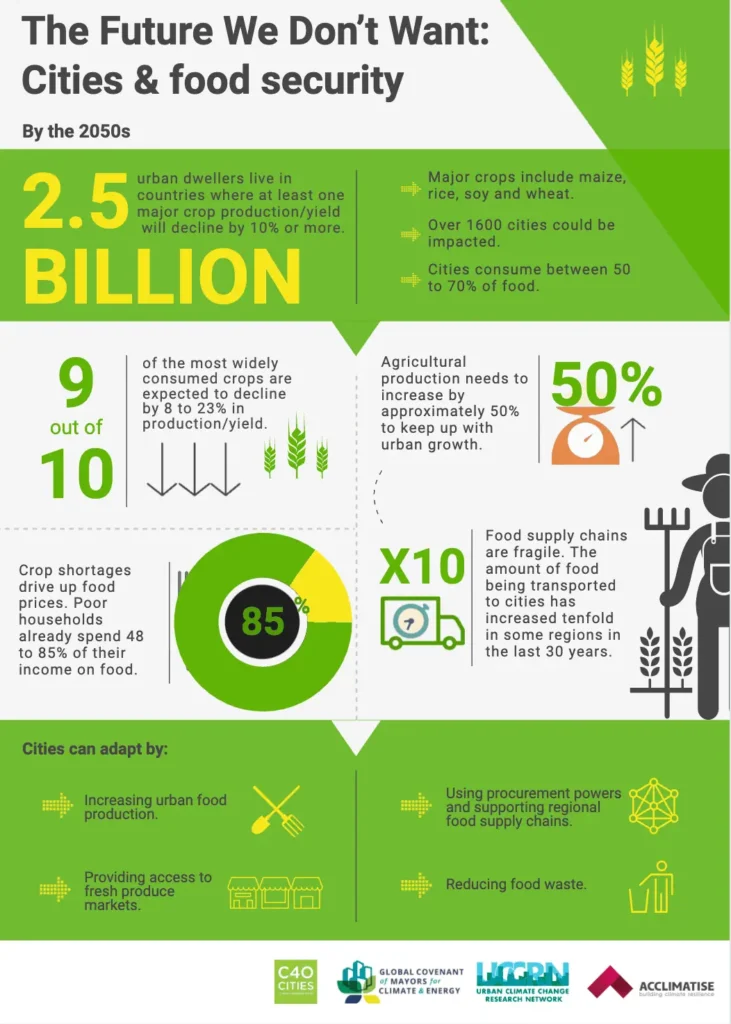
The world is expected to support nearly ten billion people by 2050. At the same time, agriculture faces significant challenges including climate change, soil degradation, biodiversity loss, water scarcity and rising production costs.
Traditional approaches that focus solely on increasing production may not be enough to address these interconnected challenges. There is a growing need for agricultural systems that can produce food sustainably while protecting natural resources and supporting communities.
One approach that is gaining global recognition is agroecology.
By applying ecological principles to food production, agroecology offers practical solutions that can strengthen food security while promoting environmental sustainability and social resilience.
Understanding Food Security
Food security exists when all people have consistent access to sufficient, safe and nutritious food that meets their dietary needs and preferences.
Food security is commonly understood through four key dimensions:
Availability
Enough food is produced and supplied.
Access
People can obtain food physically and economically.
Utilisation
Food supports good nutrition and health.
Stability
Food remains consistently available over time.
A secure food system must address all four dimensions simultaneously.
Challenges To Future Food Security
Several global trends are placing increasing pressure on food systems.
Population Growth
The global population continues to increase, creating greater demand for food production.
More food will be needed to support growing urban and rural populations.
Climate Change
Climate change affects agriculture through:
- Extreme weather events
- Floods
- Droughts
- Rising temperatures
- Shifting rainfall patterns
These impacts threaten crop productivity and food supply stability.
Soil Degradation
Healthy soil is essential for food production.
However, unsustainable agricultural practices have contributed to:
- Soil erosion
- Nutrient depletion
- Loss of organic matter
Degraded soils reduce agricultural productivity and resilience.
Biodiversity Loss
Pollinators, beneficial insects and diverse ecosystems play critical roles in agriculture.
Declining biodiversity can weaken food systems and increase vulnerability to pests and diseases.
Resource Scarcity
Agriculture depends heavily on:
- Water
- Fertile land
- Energy
- Ecosystem services
Increasing competition for these resources presents significant challenges for future food production.
What Makes Agroecology Different?
Agroecology views agriculture as part of a broader ecosystem.
Rather than relying heavily on external inputs, agroecology seeks to strengthen natural processes that support food production.
Key agroecological practices include:
- Crop diversification
- Agroforestry
- Composting
- Integrated farming systems
- Water conservation
- Biodiversity enhancement
These approaches create more resilient and sustainable food systems.
Strengthening Food Availability
Agroecology supports food availability through diversified production systems.
Diversification reduces dependence on a single crop and spreads production risks.
Examples include:
- Intercropping
- Mixed farming
- Agroforestry systems
These practices often improve overall farm productivity while enhancing resilience to environmental changes.
By maintaining healthy ecosystems, agroecology helps ensure consistent food production over time.
Improving Access To Food
Agroecology encourages local food production and community participation.
Community gardens, urban farming projects and local agriculture initiatives can increase access to fresh produce within communities.
Local food systems may:
- Reduce transportation costs
- Improve food accessibility
- Support local economies
- Strengthen community resilience
These benefits contribute directly to improved food security.
Supporting Better Nutrition
Agroecological systems often produce a wider variety of foods.
Crop diversity can improve dietary diversity by increasing access to:
- Fruits
- Vegetables
- Herbs
- Traditional food crops
Diverse diets are essential for good health and nutritional well-being.
By promoting varied food production, agroecology supports healthier communities.
Building Long-Term Stability
One of the greatest strengths of agroecology is its ability to enhance resilience.
Agroecological systems are often better equipped to withstand:
- Climate variability
- Pest outbreaks
- Market disruptions
- Resource shortages
Healthy soils, biodiversity and diversified production systems help maintain stability even during challenging conditions.
This resilience is essential for long-term food security.
Agroecology And Climate Change Adaptation
Climate change represents one of the greatest threats to future food security.
Agroecology helps farmers adapt through:
Healthy Soils
Healthy soils retain water more effectively and support crop growth during dry periods.
Biodiversity
Diverse systems are often more resilient to environmental stress.
Agroforestry
Trees provide shade, improve soil health and enhance ecosystem stability.
Water Conservation
Efficient water management helps maintain productivity during periods of scarcity.
Together, these practices improve the ability of agricultural systems to adapt to changing climatic conditions.
Agroecology In Malaysia
Malaysia faces many of the same food security challenges experienced globally.
These include:
- Climate variability
- Urbanisation
- Land use pressures
- Dependence on imported food products
Agroecology offers opportunities to strengthen local food systems through:
- Community gardens
- School gardens
- Agroforestry projects
- Sustainable agriculture training
- Urban farming initiatives
Organisations such as the Malaysian Institute of Sustainable Agriculture (MISA) play an important role in promoting agroecological practices through education, community engagement and practical demonstration projects.
These initiatives help communities better understand sustainable food production and food security.
Community Participation Is Essential
Food security cannot be achieved by farmers alone.
Successful food systems require participation from:
- Communities
- Schools
- Universities
- NGOs
- Government agencies
- Consumers
Education and awareness are critical for encouraging sustainable food practices and responsible resource management.
Community involvement helps build stronger, more resilient food systems.
The Future Of Food Security
Future food systems must be capable of producing enough food while protecting environmental resources and supporting social well-being.
Agroecology offers a pathway toward:
- Sustainable food production
- Environmental conservation
- Community resilience
- Climate adaptation
- Long-term food security
As awareness continues to grow, agroecology is likely to play an increasingly important role in shaping the future of agriculture worldwide.
Conclusion
Food security is one of the defining challenges of our time. Growing populations, environmental pressures and climate change require innovative approaches that go beyond conventional agricultural models.
Agroecology provides practical solutions by strengthening biodiversity, improving soil health, supporting local food systems and enhancing resilience.
By integrating ecological principles with community participation and sustainable resource management, agroecology offers a powerful framework for building food-secure futures.
As communities, organisations and governments work together toward sustainable development, agroecology can serve as a key solution for ensuring that future generations have access to safe, nutritious and sufficient food.
