
Introduction
Biodiversity is the foundation of healthy ecosystems and sustainable food production. It includes the variety of plants, animals, insects, microorganisms and ecosystems that interact to support life on Earth.
However, biodiversity is under increasing pressure from habitat destruction, pollution, climate change and unsustainable agricultural practices. Around the world, scientists have raised concerns about declining populations of pollinators, soil organisms, birds and other species that play essential roles in maintaining ecological balance.
As these challenges continue to grow, agroecology has emerged as an important approach for protecting biodiversity while supporting food production.
Unlike conventional farming systems that often rely on monocultures and intensive chemical inputs, agroecology promotes diversity, ecological balance and sustainable resource management. Through these principles, agroecology helps conserve biodiversity both on farms and across broader landscapes.
Understanding Biodiversity
Biodiversity refers to the variety of life found in nature.
It exists at several levels:
Genetic Diversity
Variation within plant and animal species.
Species Diversity
The variety of different species within an ecosystem.
Ecosystem Diversity
The range of habitats and ecological communities.
Healthy biodiversity contributes to:
- Pollination
- Soil fertility
- Pest control
- Water regulation
- Climate resilience
Without biodiversity, agricultural systems become more vulnerable and less sustainable.
Why Biodiversity Matters For Agriculture
Agriculture depends heavily on ecosystem services provided by biodiversity.
Examples include:
Pollination
Many crops rely on bees, butterflies and other pollinators.
Natural Pest Control
Beneficial insects help regulate pest populations.
Soil Health
Microorganisms and earthworms contribute to nutrient cycling and soil fertility.
Climate Adaptation
Diverse ecosystems are often more resilient to environmental changes.
Protecting biodiversity therefore supports both environmental conservation and agricultural productivity.
Challenges Facing Biodiversity Today
Modern agricultural intensification has contributed to biodiversity loss through:
- Large-scale monoculture farming
- Habitat destruction
- Excessive pesticide use
- Soil degradation
- Water pollution
These practices can reduce populations of beneficial organisms and weaken ecosystem resilience.
As biodiversity declines, agricultural systems may become increasingly dependent on external inputs and more vulnerable to disruptions.
Agroecology’s Approach To Biodiversity Conservation
Agroecology seeks to work with nature rather than against it.
Instead of simplifying ecosystems, agroecological systems encourage diversity and ecological interactions.
This approach helps create farming landscapes that support both food production and conservation goals.
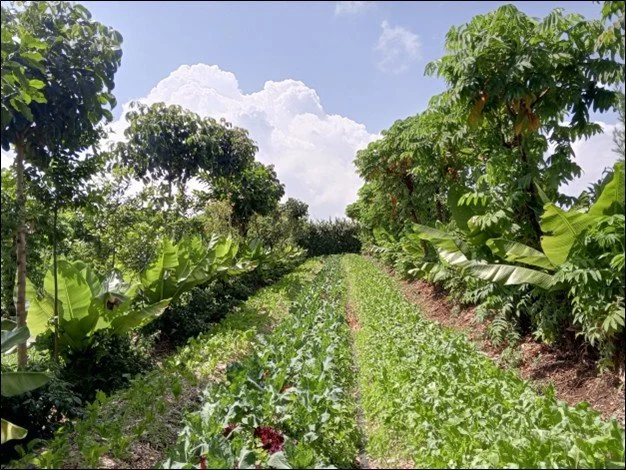
Crop Diversity
One of the most visible agroecological practices is crop diversification.
Examples include:
- Intercropping
- Mixed cropping
- Crop rotation
- Polyculture systems
Diverse crops create more complex habitats that support a wider range of organisms.
Benefits include:
- Reduced pest pressure
- Improved soil health
- Greater resilience to climate variability
Agroforestry Systems
Agroforestry combines trees with crops or livestock.
This practice provides:
- Wildlife habitat
- Improved soil protection
- Enhanced biodiversity
- Carbon storage
In tropical regions such as Malaysia, agroforestry can play an important role in balancing agricultural production with environmental conservation.
Supporting Pollinators
Pollinators are essential for many fruits, vegetables and flowering plants.
Agroecological systems support pollinators through:
- Diverse flowering plants
- Reduced pesticide use
- Habitat protection
- Native vegetation conservation
Healthy pollinator populations contribute directly to food production and ecosystem health.
Enhancing Soil Biodiversity
Healthy soil contains billions of microorganisms that support plant growth and nutrient cycling.
Agroecology promotes soil biodiversity through:
- Composting
- Organic matter management
- Reduced chemical inputs
- Cover cropping
These practices create favourable conditions for beneficial soil organisms.
Healthy soil biodiversity contributes to long-term agricultural productivity and resilience.
Creating Ecological Corridors
Agroecological landscapes often include features such as:
- Hedgerows
- Tree belts
- Buffer zones
- Wildlife habitats
These elements help connect fragmented habitats and allow species to move through agricultural areas.
Ecological corridors play an important role in biodiversity conservation at the landscape level.
Biodiversity Conservation In Malaysian Agriculture
Malaysia’s rich biodiversity provides significant opportunities for agroecological approaches.
The country is home to:
- Tropical rainforests
- Diverse plant species
- Pollinator populations
- Important wildlife habitats
Agroecology can help protect these natural resources while supporting sustainable agriculture.
Community gardens, agroforestry projects, school gardens and sustainable farming programmes all contribute to biodiversity conservation efforts.
Organisations such as MISA actively promote education and practical initiatives that encourage environmentally responsible agriculture.
Benefits For Communities
When biodiversity is protected, communities benefit through:
- Improved food production
- Greater climate resilience
- Enhanced environmental quality
- Stronger ecosystem services
- Increased educational opportunities
Biodiversity conservation is therefore not only an environmental issue but also a social and economic one.
Looking Toward The Future
As concerns about biodiversity loss continue to grow, agroecology offers practical solutions that can be implemented at local, regional and national levels.
Future opportunities include:
- Expanding agroforestry systems
- Strengthening community agriculture
- Increasing environmental education
- Supporting biodiversity-friendly farming practices
By integrating conservation with food production, agroecology can help create more sustainable and resilient landscapes.
Conclusion
Biodiversity is essential for healthy ecosystems, resilient agriculture and long-term food security.
Agroecology supports biodiversity conservation by promoting crop diversity, protecting pollinators, enhancing soil health and creating ecologically balanced farming systems.
As communities seek sustainable solutions to environmental challenges, agroecology provides a pathway that benefits both people and nature.
Through education, collaboration and responsible stewardship, agroecology can help protect biodiversity while building a more sustainable future for generations to come.
