
Introduction
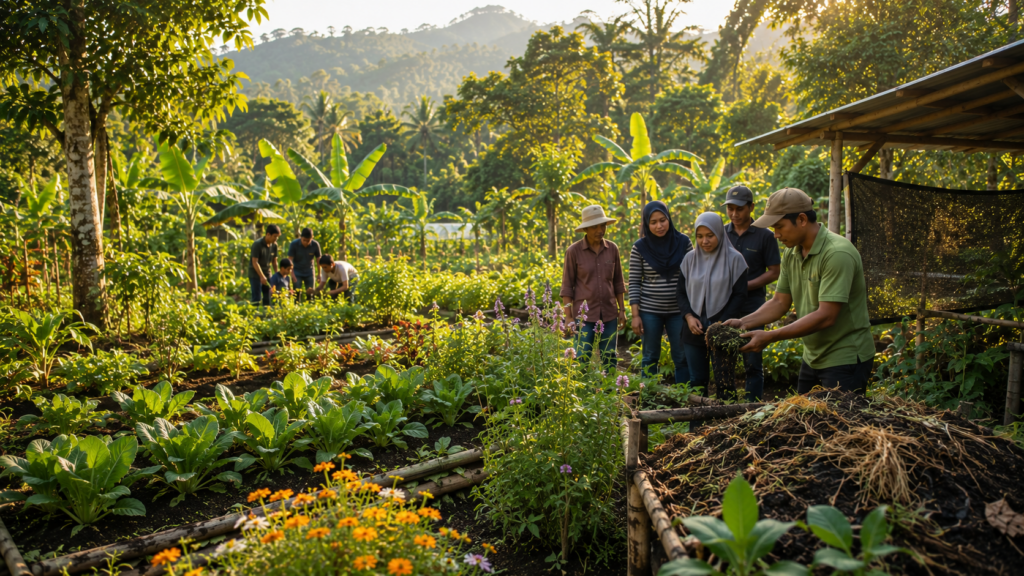
As concerns about climate change, biodiversity loss and food security continue to grow, many farmers, communities and organisations are exploring more sustainable ways of producing food. One approach receiving increasing attention worldwide is agroecology.
Agroecology is not simply a farming method. It is a holistic approach that applies ecological principles to agriculture while recognising the importance of social equity, local knowledge and environmental stewardship.
At the heart of agroecology are a set of principles that guide how food systems can be designed to work in harmony with nature. These principles help create agricultural systems that are productive, resilient and sustainable over the long term.
Understanding these principles is essential for anyone interested in sustainable agriculture, food security and community development.
What Are Agroecological Principles?
Agroecological principles provide a framework for designing agricultural systems that mimic natural ecosystems.
Rather than focusing solely on production, agroecology considers:
- Environmental health
- Social well-being
- Economic sustainability
- Community resilience
These principles help ensure that agricultural systems remain productive while protecting natural resources and supporting local communities.
Principle 1: Diversity
Diversity is one of the most important foundations of agroecology.
Natural ecosystems contain a wide variety of species that interact and support one another. Agroecology applies this concept to farming systems.
Examples include:
- Crop rotation
- Intercropping
- Mixed farming systems
- Agroforestry
Diverse farming systems often experience:
- Improved resilience
- Better pest management
- Greater productivity stability
- Enhanced biodiversity
Principle 2: Soil Health
Healthy soil is essential for sustainable food production.
Agroecology emphasises practices that build and maintain soil fertility, including:
- Composting
- Mulching
- Cover cropping
- Organic matter management
Healthy soils provide:
- Better nutrient availability
- Improved water retention
- Increased microbial activity
- Enhanced plant growth
Soil health forms the foundation of resilient agricultural systems.
Principle 3: Recycling Resources
Agroecology encourages the efficient use and recycling of resources.
Examples include:
- Composting food waste
- Recycling crop residues
- Using natural fertilisers
- Integrating livestock and crop systems
These practices reduce waste while minimising dependence on external inputs.
Resource recycling also helps create circular agricultural systems that are more sustainable and cost-effective.
Principle 4: Ecological Balance
Rather than attempting to eliminate all insects or organisms, agroecology seeks ecological balance.
Healthy ecosystems naturally regulate many agricultural challenges.
Examples include:
- Predatory insects controlling pests
- Pollinators supporting crop production
- Soil organisms improving fertility
Maintaining ecological balance often reduces the need for chemical interventions.
Principle 5: Water Conservation
Water is one of agriculture’s most valuable resources.
Agroecological systems promote:
- Rainwater harvesting
- Soil moisture conservation
- Mulching
- Efficient irrigation
These practices help ensure long-term water availability while reducing waste.
Principle 6: Biodiversity Conservation
Agroecology supports biodiversity both on farms and in surrounding landscapes.
Benefits include:
- Improved pollination
- Natural pest control
- Ecosystem resilience
- Habitat protection
Biodiversity strengthens the ecological functions that agriculture depends upon.
Principle 7: Community Participation
Agroecology recognises that sustainable agriculture is not only about farming techniques.
It also values:
- Local knowledge
- Community engagement
- Farmer participation
- Collaborative decision-making
Communities play an essential role in creating sustainable food systems.
Principle 8: Resilience
Agricultural systems must be able to adapt to change.
Agroecological systems are designed to withstand challenges such as:
- Climate change
- Extreme weather
- Market fluctuations
- Pest outbreaks
Resilience helps ensure long-term food production and community stability.
Why These Principles Matter
The principles of agroecology matter because they address many of today’s most pressing challenges.
They help:
- Improve food security
- Protect natural resources
- Support farmer livelihoods
- Strengthen communities
- Enhance climate resilience
By working with nature rather than against it, agroecology creates systems that are both productive and sustainable.
Agroecology In Practice
Across Malaysia and around the world, agroecological principles are being applied through:
- Community gardens
- School gardening programmes
- Composting projects
- Agroforestry initiatives
- Sustainable farming training
Organisations such as MISA promote these practices through education, capacity building and community engagement.
These initiatives demonstrate how agroecological principles can be translated into practical action.
Conclusion
The principles of agroecology provide a roadmap for creating sustainable food systems that benefit both people and the environment.
By promoting diversity, soil health, biodiversity conservation, resource efficiency and community participation, agroecology offers practical solutions to many of the challenges facing agriculture today.
As communities continue to seek sustainable pathways toward food security and environmental stewardship, these principles will remain increasingly important for building resilient and thriving food systems.
