WelcIntroduction
As concerns about climate change, food security, biodiversity loss and environmental degradation continue to grow, many communities around the world are searching for more sustainable ways to produce food. One approach that has gained increasing attention is agroecology.
Agroecology is more than simply a farming technique. It is a holistic approach that combines ecological science, sustainable agriculture, local knowledge and community participation to create resilient food systems that benefit both people and the environment.
Across the world, governments, universities, non-profit organisations and farming communities are exploring agroecology as a practical solution for building sustainable food systems capable of supporting future generations.
What Is Agroecology?
The term agroecology combines two words:
- Agriculture – the practice of cultivating crops and raising livestock.
- Ecology – the study of relationships between living organisms and their environment.
Agroecology applies ecological principles to agricultural systems. Instead of relying heavily on chemical inputs and intensive production methods, agroecology seeks to work with nature rather than against it.
This approach recognises that farms are ecosystems made up of soil, water, plants, animals, insects and people. By understanding how these components interact, farmers can create healthier and more productive systems that remain sustainable over the long term.
Agroecology also values traditional knowledge, local practices and community participation, making it both a scientific discipline and a social movement.
Why Agroecology Matters
Modern agriculture has significantly increased food production over the past century. However, many conventional farming methods have also contributed to environmental challenges such as:
- Soil degradation
- Water pollution
- Loss of biodiversity
- Greenhouse gas emissions
- Dependence on synthetic fertilisers and pesticides
These issues threaten the long-term sustainability of food production.
Agroecology offers an alternative approach that balances productivity with environmental responsibility. By improving ecological health and strengthening community resilience, agroecology helps create food systems that are more sustainable and equitable.
The Core Principles of Agroecology
While agroecological practices vary across regions and farming systems, several key principles are commonly recognised.
1. Biodiversity
Agroecology encourages diverse farming systems rather than large monocultures.
Examples include:
- Intercropping
- Crop rotation
- Agroforestry
- Mixed farming systems
Greater biodiversity helps reduce pest outbreaks, improve soil health and increase resilience to climate variability.
2. Healthy Soil
Healthy soil is the foundation of sustainable agriculture.
Agroecological practices focus on:
- Composting
- Organic matter management
- Cover cropping
- Reduced soil disturbance
Healthy soils retain water more effectively, store carbon and support beneficial microorganisms.
3. Efficient Resource Use
Agroecology promotes the efficient use of natural resources by reducing dependence on external inputs.
This includes:
- Rainwater harvesting
- Compost production
- Natural fertilisers
- Biological pest control
These practices help reduce production costs while minimising environmental impacts.
4. Ecological Balance
Rather than eliminating all insects and organisms, agroecology seeks to maintain ecological balance.
Beneficial insects, pollinators and natural predators play important roles in regulating pests and supporting crop production.
5. Community Participation
Agroecology recognises the importance of local knowledge and farmer participation.
Communities often possess valuable experience and traditional practices that contribute to sustainable land management and food production.
Agroecology and Sustainable Food Systems
A food system includes all activities involved in producing, processing, distributing and consuming food.
Agroecology contributes to sustainable food systems by addressing environmental, economic and social dimensions simultaneously.
Environmental Benefits
Agroecological practices can:
- Improve soil fertility
- Enhance biodiversity
- Reduce pollution
- Protect water resources
- Increase climate resilience
These outcomes help maintain healthy ecosystems that support long-term agricultural productivity.
Economic Benefits
Agroecology can reduce reliance on costly agricultural inputs such as synthetic fertilisers and pesticides.
Many farmers benefit from:
- Lower production costs
- Increased resilience to market fluctuations
- Diversified income sources
- Improved long-term productivity
Social Benefits
Agroecology strengthens communities by encouraging local participation, knowledge sharing and food sovereignty.
It can support:
- Rural livelihoods
- Community development
- Youth engagement
- Local food production
- Cultural preservation
Agroecology in Malaysia
Malaysia possesses rich biodiversity, fertile agricultural regions and a growing interest in sustainable development.
Agroecological approaches are increasingly being applied through:
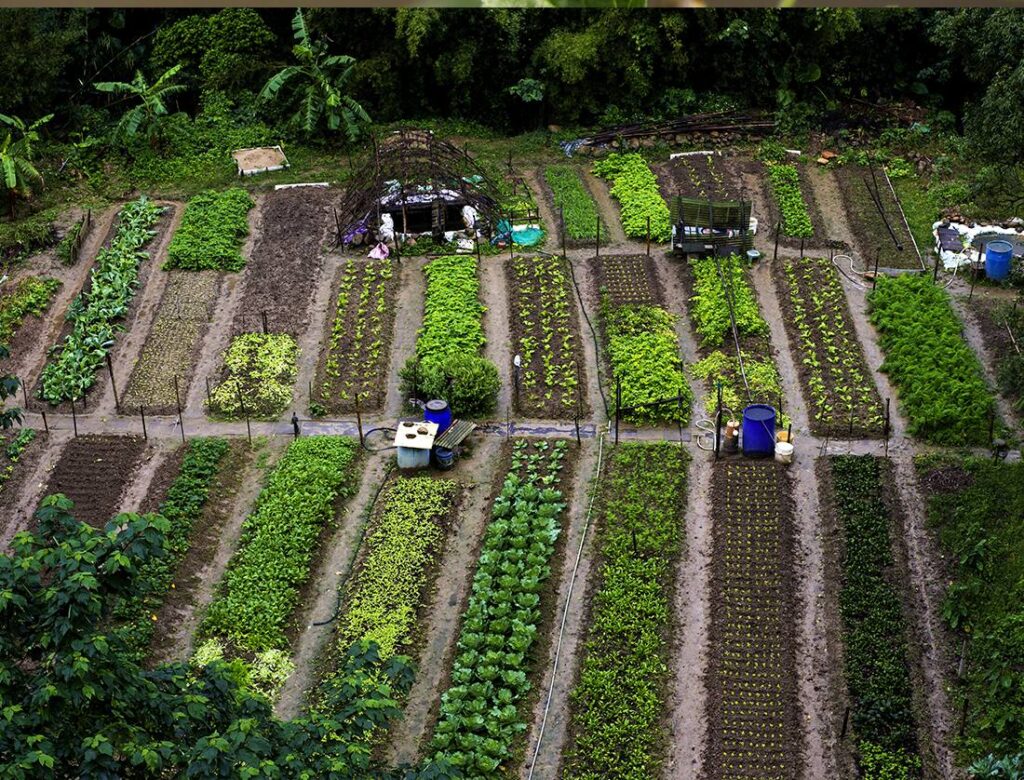
- Community gardens
- School gardening programmes
- Composting initiatives
- Urban farming projects
- Natural farming practices
- Sustainable agriculture training programmes
Organisations such as the Malaysian Institute of Sustainable Agriculture (MISA) play an important role in promoting agroecology through education, community engagement and practical demonstration projects.
By providing hands-on learning opportunities, these initiatives help communities understand how sustainable agriculture can contribute to food security and environmental stewardship.
Challenges Facing Agroecology
Although agroecology offers many benefits, several challenges remain.
These include:
- Limited public awareness
- Access to technical knowledge
- Policy support
- Market development
- Scaling successful models
Addressing these challenges requires collaboration among farmers, educators, researchers, government agencies and civil society organisations.
Investment in education and capacity building is particularly important to support wider adoption of agroecological practices.
The Future of Agroecology
As climate change and resource pressures continue to affect agricultural systems worldwide, agroecology is increasingly recognised as a pathway toward more sustainable food production.
International organisations, including the Food and Agriculture Organization (FAO), have highlighted agroecology as an important approach for building resilient food systems.
Future opportunities include:
- Expanding community-based agriculture
- Strengthening local food systems
- Increasing sustainable farming education
- Supporting youth participation in agriculture
- Enhancing biodiversity conservation
Through innovation, collaboration and community engagement, agroecology can help create food systems that are productive, environmentally responsible and socially inclusive.
Conclusion
Agroecology represents a practical and holistic approach to sustainable agriculture. By applying ecological principles to food production, it promotes healthier soils, greater biodiversity, stronger communities and more resilient food systems.
As societies seek solutions to food security, environmental sustainability and climate challenges, agroecology offers a pathway that works with nature while supporting the needs of people and future generations.
Through education, collaboration and community action, agroecology can play a significant role in building a more sustainable and food-secure future for Malaysia and the world.ome to WordPress. This is your first post. Edit or delete it, then start writing!

Hi, this is a comment.
To get started with moderating, editing, and deleting comments, please visit the Comments screen in the dashboard.
Commenter avatars come from Gravatar.