Introduction
Agriculture has always played a vital role in supporting human civilisation. It provides the food we eat, the materials we use and the livelihoods of millions of people worldwide. However, modern agricultural systems face increasing challenges from climate change, soil degradation, water scarcity, biodiversity loss and growing food demand.
As populations continue to rise, the question is no longer simply how to produce more food. The real challenge is how to produce enough food while protecting the environment and ensuring that future generations can meet their own needs.
This is where sustainable agriculture becomes increasingly important.
Sustainable agriculture is an approach to farming that seeks to balance productivity, environmental stewardship and social responsibility. It focuses on producing food in ways that maintain healthy ecosystems, support farming communities and preserve natural resources for the future.
Defining Sustainable Agriculture
Sustainable agriculture refers to farming systems that meet current food and agricultural needs without compromising the ability of future generations to meet theirs.
It involves managing land, water, biodiversity and other natural resources responsibly while maintaining economic viability and social well-being.
Unlike conventional systems that often rely heavily on synthetic inputs and intensive production methods, sustainable agriculture seeks long-term balance between agricultural productivity and environmental health.
The concept is built upon three interconnected pillars:
Environmental Sustainability
Protecting natural resources and maintaining ecological balance.
Economic Sustainability
Ensuring farms remain financially viable and resilient.
Social Sustainability
Supporting farmers, workers and local communities.
Successful sustainable agriculture integrates all three dimensions simultaneously.
Why Sustainable Agriculture Matters
Modern food systems have achieved remarkable increases in production. However, these gains have sometimes come at significant environmental and social costs.
Common challenges include:
- Soil erosion
- Declining soil fertility
- Water pollution
- Excessive chemical use
- Loss of biodiversity
- Greenhouse gas emissions
- Vulnerability to climate change
If these issues continue unchecked, food production may become increasingly difficult and costly in the future.
Sustainable agriculture addresses these challenges by promoting farming practices that protect ecosystems while maintaining productivity.
Key Principles Of Sustainable Agriculture
Although farming systems vary across regions and climates, several principles are widely recognised as essential to sustainable agriculture.
1. Soil Conservation
Healthy soil is the foundation of successful farming.
Sustainable agriculture focuses on:
- Composting
- Cover crops
- Mulching
- Reduced tillage
- Organic matter management
These practices improve soil structure, water retention and nutrient availability.
2. Water Management
Water is one of agriculture’s most valuable resources.
Sustainable farming encourages:
- Efficient irrigation systems
- Rainwater harvesting
- Soil moisture conservation
- Watershed protection
Effective water management reduces waste and improves resilience during drought conditions.
3. Biodiversity Protection
Agricultural biodiversity supports ecosystem health and productivity.
Examples include:
- Crop diversification
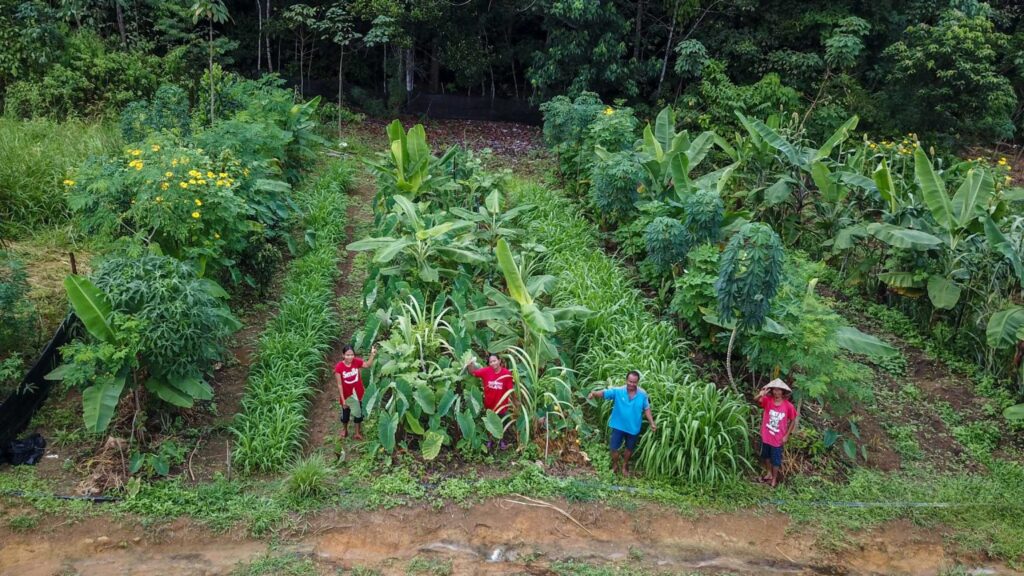
- Agroforestry systems
- Pollinator habitats
- Integrated farming systems
Greater biodiversity often improves resilience against pests, diseases and climate variability.
4. Reduced Chemical Dependence
Sustainable agriculture seeks to minimise unnecessary use of synthetic fertilisers and pesticides.
Alternative approaches include:
- Compost and organic fertilisers
- Biological pest control
- Natural farming techniques
- Integrated pest management
These methods help protect soil, water and biodiversity.
5. Climate Resilience
Climate change presents growing risks for food production.
Sustainable agriculture helps farmers adapt through:
- Diversified cropping systems
- Soil carbon enhancement
- Water conservation
- Agroforestry practices
These strategies increase resilience to extreme weather events.
Environmental Benefits Of Sustainable Agriculture
Sustainable agriculture offers numerous environmental advantages.
Improved Soil Health
Healthy soils support plant growth, store carbon and retain water more effectively.
Cleaner Water Resources
Reducing chemical runoff helps protect rivers, lakes and groundwater.
Biodiversity Conservation
Diverse farming systems provide habitats for pollinators, birds and beneficial insects.
Reduced Greenhouse Gas Emissions
Many sustainable practices contribute to climate change mitigation by reducing emissions and increasing carbon storage.
Ecosystem Restoration
Sustainable agriculture can help restore degraded landscapes and improve ecological balance.
Economic Benefits For Farmers
Sustainable agriculture is not only beneficial for the environment—it can also support long-term economic stability.
Benefits may include:
- Lower input costs
- Reduced dependence on external resources
- Increased resilience during market fluctuations
- Improved productivity over time
- Diversified income opportunities
By building healthier farming systems, producers can reduce risks and improve long-term profitability.
Social Benefits For Communities
Sustainable agriculture contributes to stronger communities and more resilient food systems.
Positive outcomes include:
- Improved food security
- Better nutrition
- Local employment opportunities
- Community participation
- Knowledge sharing
- Youth engagement in agriculture
These benefits support broader community development and social well-being.
Sustainable Agriculture In Malaysia
Malaysia possesses significant potential for sustainable agriculture due to its rich biodiversity, favourable climate and growing environmental awareness.
Across the country, sustainable agriculture initiatives are being promoted through:
- Community gardens
- School gardening programmes
- Urban farming projects
- Composting programmes
- Agroecology initiatives
- Natural farming demonstrations
Organisations such as the Malaysian Institute of Sustainable Agriculture (MISA) are actively supporting education, training and community engagement efforts that encourage sustainable agricultural practices.
These initiatives help communities understand how agriculture can contribute to food security while protecting the environment.
Challenges To Adoption
Despite its many benefits, sustainable agriculture faces several challenges.
These include:
- Limited awareness
- Access to technical knowledge
- Initial transition costs
- Market access
- Policy support
- Capacity building needs
Addressing these challenges requires collaboration among governments, educational institutions, NGOs, researchers and farming communities.
Education and practical training remain essential components of successful adoption.
The Future Of Sustainable Agriculture
As global demand for food continues to increase, sustainable agriculture will play an increasingly important role in creating resilient food systems.
Future opportunities include:
- Climate-smart agriculture
- Agroecological farming systems
- Urban agriculture
- Circular economy approaches
- Regenerative agriculture
- Community-based food production
These innovations can help balance productivity, environmental stewardship and community development.
Conclusion
Sustainable agriculture is an approach to farming that seeks to meet present food needs while safeguarding natural resources for future generations. By protecting soil, conserving water, promoting biodiversity and supporting farming communities, sustainable agriculture creates resilient systems capable of addressing environmental and social challenges.
As the world continues to face climate uncertainty, food security concerns and ecological pressures, sustainable agriculture offers a practical pathway toward a healthier, more resilient and more sustainable future.
Through education, collaboration and responsible stewardship, sustainable agriculture can help ensure that both people and the planet thrive for generations to come.
